North Yorkshire
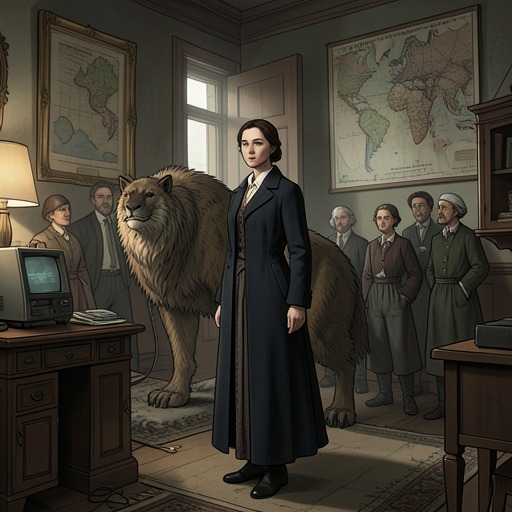
The RookNorth Yorkshire is described as a place unusually attractive to flying reptiles, and as the burial site of a dragon egg whose predicted hatching prompted a discreet Checquy archaeological operation. Its deep natural history and a centuries-old official report turn the county into the setting for a present-day intervention in an event long hidden from view.
A Landscape Associated with Dragons
The account places North Yorkshire within a history extending back millions of years: dragons and pterodactyls were said to favor the area. Pterodactyl skeletons had been found there, along with fragments of dragon skeletons once misidentified as belonging to a pterodactyl subspecies. The distinction between known fossils and the rarer dragon remains gives the landscape an uncertain, partly misread history.
The narrator links the dragons’ earlier presence more broadly to the beginning of the Little Ice Age, the last time they had been seen for centuries. Against that background, the claim that a particularly fecund female dragon laid an egg in North Yorkshire makes the county not merely a fossil site but the location of a surviving, consequential trace of dragons.
The Egg and the Buried Record
The egg’s laying was witnessed and recorded by the Checquy operative Yves Tyerman. His report was accepted by the Court in London, then filed away and left unseen for hundreds of years. The record thus preserved evidence without producing timely action: an extraordinary event entered bureaucratic custody and remained dormant until later research brought it back to attention.
The egg was eventually flagged through research by Noel Bittner. Because dragon eggs take centuries to hatch, the timing depended on calculating a date far beyond ordinary observation. Bittner’s unusual attention to detail allowed him to work out the hatching date; his powers indicated that the dragon inside was alive and would hatch that evening.
Excavation and Checquy Response
The Checquy response began well before the anticipated hatching. The narrator explains that the event had occurred about six months earlier, when authorization was needed for ground scans and excavations. Since dragons bury their eggs deeply, the organization undertook a discreet archaeological dig to locate and recover the egg.
The sequence joins an old report, a modern calculation, and an excavation in the same place. North Yorkshire’s significance lies in that convergence: its long association with flying reptiles explains why the egg’s presence was plausible, while the depth of its burial and the Checquy’s quiet preparations show how a remote historical record became an urgent operational concern.